
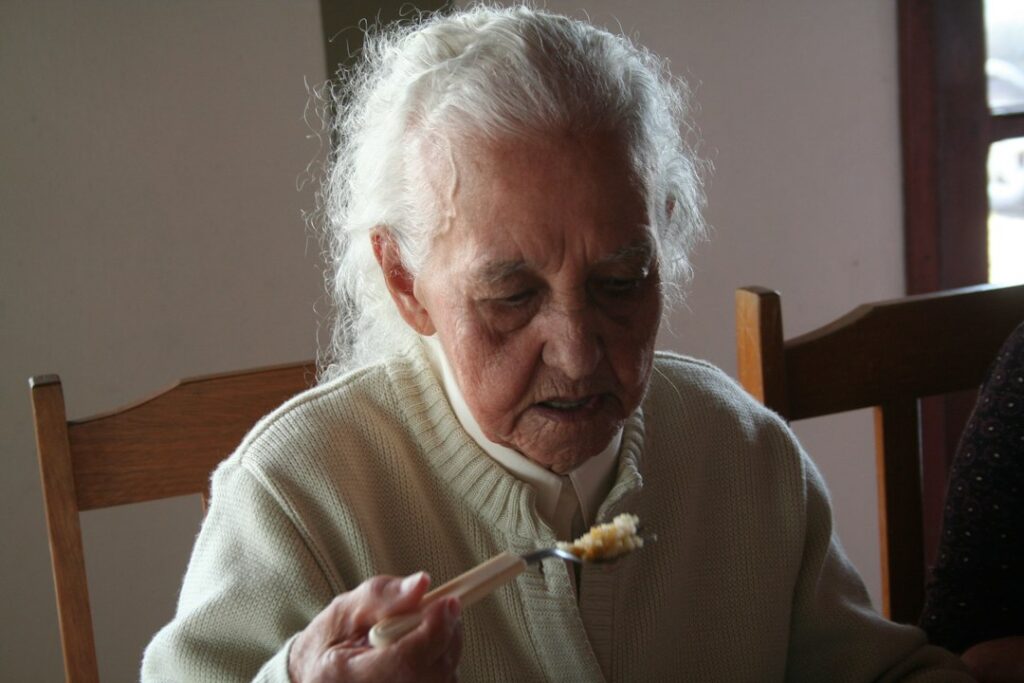
Healthy aging in assisted living is not about avoiding every health problem or following a perfect routine. It is about preserving strength, confidence, connection, and daily independence through manageable habits. Residents can often improve well-being by staying active, eating regularly, protecting sleep, preventing falls, and speaking up when something changes.
How can assisted living residents stay physically active?
Regular movement helps maintain muscle, balance, flexibility, mood, and stamina. Exercise does not have to be strenuous, and residents with arthritis, heart disease, breathing problems, or mobility limitations can still benefit from activity suited to their abilities.
A practical weekly routine may include:
- Walking in indoor hallways or other safe areas
- Seated exercises for the legs, arms, and shoulders
- Light resistance exercises using bands or small hand weights
- Gentle stretching
- Balance activities, such as supported standing or carefully supervised heel-to-toe movements
- Group activities such as chair yoga, dancing, or tai chi
Federal activity guidelines commonly encourage older adults to combine aerobic activity, muscle strengthening, and balance exercises. However, the right amount depends on a person’s health and mobility. Someone who is currently inactive can begin with five- or ten-minute periods and gradually build endurance.
Pain, dizziness, chest pressure, unusual shortness of breath, or sudden weakness should not be ignored during exercise. These symptoms should be reported promptly to the appropriate care staff or medical provider.
What foods support healthy aging?
A balanced eating pattern helps protect muscle, bones, energy, heart health, and immune function. For many residents, the goal is not weight loss. Maintaining adequate nutrition and preventing unintended weight loss may be more important.
Meals should include a variety of:
- Protein foods such as eggs, poultry, fish, yogurt, beans, lentils, or fortified soy foods
- Fruits and vegetables in different colors
- Whole grains when tolerated
- Healthy fats from foods such as nuts, seeds, and avocados
- Water and other appropriate fluids throughout the day
Protein is especially useful because muscle mass tends to decline with age. Including some protein at breakfast, lunch, and dinner may be easier than trying to consume most of it in one meal.
Poor appetite, difficulty chewing, dry mouth, constipation, changes in taste, and swallowing problems can all interfere with nutrition. These concerns should be mentioned rather than accepted as a normal part of aging. A change in appetite can sometimes signal an infection, medication side effect, depression, dental problem, or another health concern.
Residents should also avoid making major diet changes or taking supplements without medical guidance. Some vitamins and minerals can interact with prescription medicines or be unsafe in excessive amounts.
How can residents reduce the risk of falls?
Falls are not an unavoidable part of growing older. Strength and balance exercises, regular vision checks, safe footwear, and a well-lit living area can reduce risk.
Useful daily precautions include:
- Keeping pathways clear of bags, cords, loose rugs, and clutter
- Wearing shoes or slippers with secure backs and nonslip soles
- Using prescribed glasses, walkers, canes, or other devices correctly
- Turning on lights before walking at night
- Rising slowly from a bed or chair
- Using grab bars and handrails instead of nearby furniture
- Asking for assistance when feeling weak, dizzy, or unsteady
Cold weather creates additional challenges for residents and families in Hazleton, PA. Snow, ice, wet entrances, and reduced daylight can make outdoor walking more hazardous during winter. Indoor walking and exercise may be safer when outdoor surfaces are slippery. Residents who use transportation for appointments should allow extra time and avoid rushing across icy walkways.

A fall should be reported even if there is no obvious injury. Pain, confusion, headache, weakness, or difficulty bearing weight after a fall requires prompt medical attention.
Why do sleep and daily routines matter?
Most older adults still need about seven to nine hours of sleep, although sleep patterns may change with age. Poor sleep can contribute to irritability, memory problems, low mood, and increased fall risk.
Helpful habits include:
- Going to bed and waking up at similar times
- Limiting late-afternoon or evening naps
- Keeping the bedroom quiet, comfortable, and dark enough for sleep
- Avoiding caffeine late in the day
- Exercising earlier rather than close to bedtime
- Discussing pain, nighttime urination, snoring, or repeated waking with care staff or a medical provider
Needing less sleep is a common misconception. Older adults may sleep more lightly or wake more often, but persistent fatigue is not something that should simply be blamed on age. Medicines, depression, sleep apnea, restless legs, and other conditions may be involved.
How does social connection affect health?
Social activity supports emotional health and may also encourage better eating, movement, communication, and medication routines. Assisted living residents do not need to attend every group activity to stay connected. A short conversation at a meal, a regular phone call, a card game, music, religious observance, or time with a family member can all provide meaningful contact.
Residents who feel lonely, withdrawn, persistently sad, unusually worried, or uninterested in activities should tell someone. Depression in older adults may appear as tiredness, poor appetite, sleep changes, irritability, or physical complaints rather than obvious sadness.
Mental stimulation can be included in ordinary routines through reading, puzzles, crafts, conversation, familiar music, learning a new skill, or sharing memories. These activities are valuable for enjoyment and engagement, even though no activity can guarantee prevention of memory loss.
What health care tasks should residents keep up with?
Routine health care helps identify problems before they interfere with independence. Residents should keep track of appointments, screenings, vaccinations, dental care, hearing checks, vision changes, and chronic conditions such as diabetes, high blood pressure, heart disease, or lung disease.
Medication reviews are also important. Dizziness, sleepiness, confusion, constipation, appetite changes, or falls may sometimes be related to a medicine or combination of medicines. Prescription drugs, over-the-counter products, and supplements should all be included in medication discussions.
Vaccination needs vary by age, health history, and current public health recommendations. Older adults commonly need seasonal protection against influenza and may qualify for vaccines related to pneumonia, shingles, respiratory illness, tetanus, or COVID-19. Questions about timing and eligibility should be reviewed with a qualified medical professional.
When should a resident report a change?
A new or worsening symptom deserves attention, especially if it affects walking, eating, sleeping, thinking, breathing, or personal care. Examples include sudden confusion, repeated falls, unexplained weight loss, new swelling, persistent pain, trouble swallowing, worsening shortness of breath, or a noticeable change in mood.
Healthy aging is supported by early communication. Residents should not wait for a scheduled appointment if a symptom is severe, sudden, or rapidly worsening. In an emergency, immediate emergency assistance is appropriate.
The most useful routine is one that can be followed consistently: move safely, eat enough nourishing food, drink appropriate fluids, sleep regularly, stay connected, and report changes early. These habits help residents preserve the abilities that make everyday life more comfortable and independent.
