
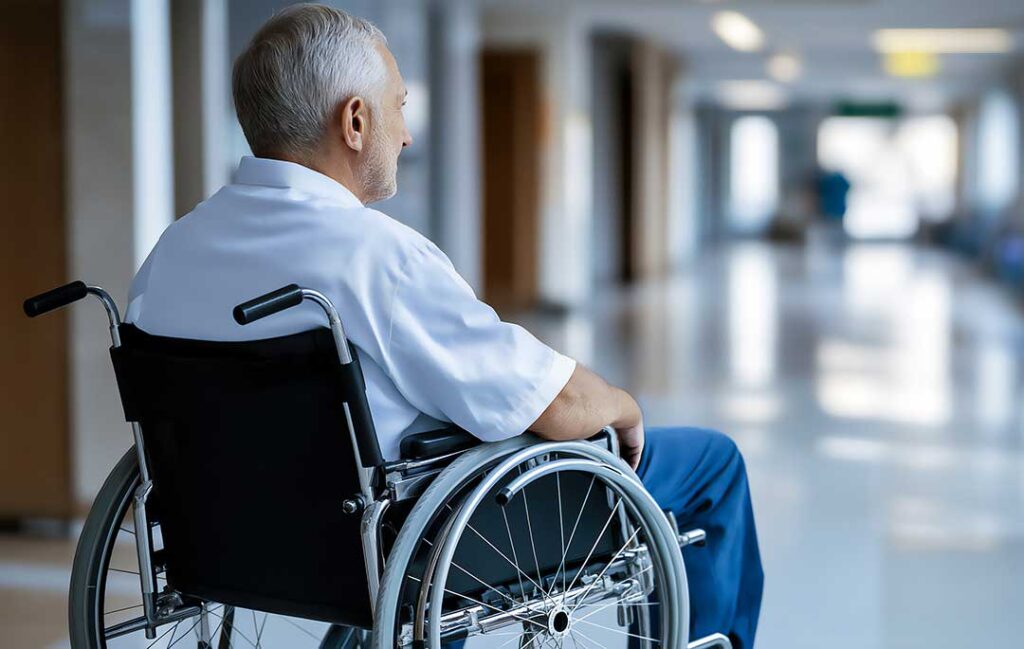
What Health Services Are Typically Offered in Hazleton, PA Assisted Living Communities?
Residents often ask what kind of health-related assistance is available when moving into assisted living. In Hazleton, assisted living communities usually offer a blend of support that focuses on daily wellbeing, chronic disease management, and health monitoring. Services are designed for people who want help with daily activities but do not require intensive medical or nursing home care.
Typical services might include:
- Medication management
- Assistance with personal care
- Scheduled health assessments
- Help with mobility and transfers
The staff is generally trained to notice changes in health status and coordinate care with local physicians or hospitals if needed.
How Is Medication Managed in Assisted Living?
Managing medications accurately is a central part of staying healthy, especially for older adults. In Hazleton, medication management is typically provided by trained caregivers or med techs who follow physician instructions closely.
- Medications are safely stored and administered at scheduled times
- Staff can assist with refills and keep detailed records
- Caregivers watch for side effects or missed doses
Residents can expect support with everything from daily pills to some injectable medications, depending on staff qualifications and community policies.
What Kinds of Personal Care Assistance Are Common?
Most residents in the area benefit from reliable daily support with personal hygiene and grooming. Assisted living staff can help with:
- Bathing and showering
- Dressing
- Toileting or incontinence care
- Hair and oral hygiene
The assistance provided is always adapted to individual needs and preferences, and is intended to maintain dignity and independence as much as possible. Because Hazleton has marked seasonal changes, staff are also prepared to help choose safe footwear and weather-appropriate clothing.
Are On-Site Health Checks and Screenings Available?
Routine health monitoring is standard in assisted living. Typical services include scheduled checks for vital signs like blood pressure or blood sugar, often more frequently for those with conditions such as diabetes or heart disease.
Some communities may coordinate health screenings periodically for common age-related concerns, such as hearing, vision, or fall risk. If a change is detected, staff will often update a resident’s family and physician, helping ensure small concerns don’t become larger issues.
Is Physical Therapy or Rehabilitation Services Accessible?
While assisted living is not the same as a rehabilitation center, local communities often help residents maintain mobility and strength. This might include:
- Exercise classes tailored to older adults
- Supervised walks or activity sessions
- Space for individualized physical therapy (if a licensed therapist visits from the community or a local healthcare provider)
Coordination with outside therapy services is common, and local weather patterns—like icy winters—mean extra focus on balance and fall prevention.
How Are Emergencies Handled?
Residents want reassurance that help is nearby if something happens suddenly. Assisted living communities in Hazleton install call button systems or wearable pendants so residents can alert staff any time of day. Staff are trained in first aid, CPR, and emergency response, and know how to quickly summon local emergency services if more advanced care is required.
In addition, hazardous winter weather in this area shapes planning—emergency protocols include preparation for power outages or severe storms.
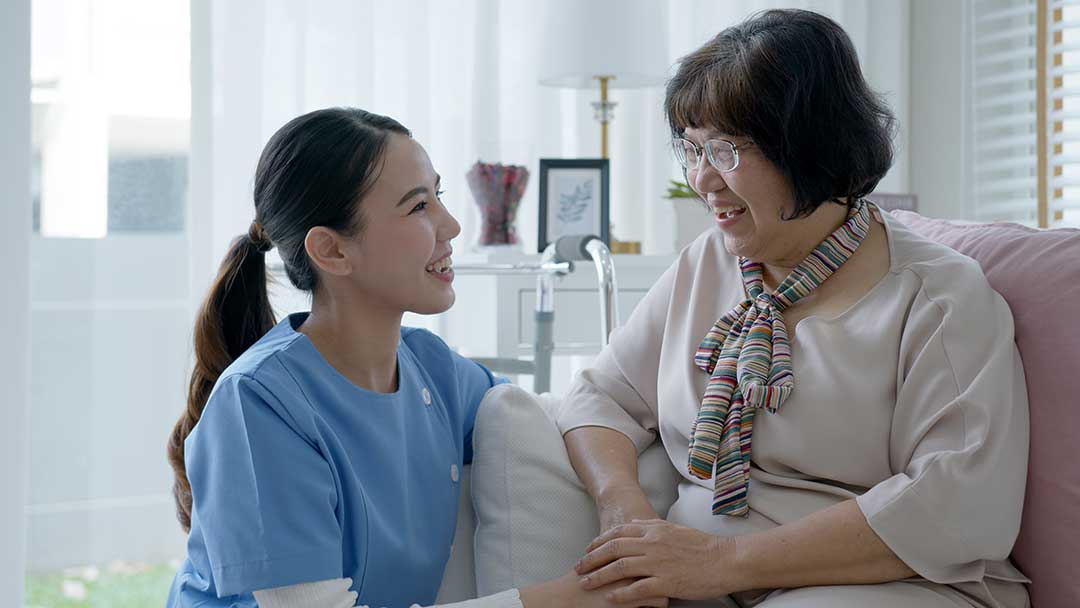
What Help Is Provided for Chronic Illnesses or Rehabilitation?
While assisted living is not a substitute for continuous nursing care, staff can support those managing chronic illnesses. This includes:
- Monitoring symptoms for diabetes, heart disease, COPD, or arthritis
- Providing reminders or physical help with treatment routines
- Supporting healthy meal choices with dietary accommodations
- Assisting with use of mobility aids or adaptive equipment
When more complex nursing care or frequent medical exams are needed, staff will work with local healthcare professionals and family members to coordinate outside resources.
How Is Healthcare Coordination Managed?
Residents rarely receive all their health services solely within the assisted living community. Instead, staff coordinate with local physicians, specialists, pharmacies, and rehabilitation providers. This can involve:
- Arranging for transportation to medical appointments, especially important for those who no longer drive in the region
- Sharing medical updates with healthcare teams when hospital visits occur
- Reviewing hospital discharge instructions and helping implement them at home
In Hazleton’s diverse community, language assistance or communication with remote family members may also be available for those who need it.
Are There Services to Support Emotional and Mental Wellbeing?
Social, emotional, and mental health are key to quality of life. Assisted living communities routinely offer:
- Regular family communications and support groups
- Social activities, clubs, or creative arts programs that suit resident interests
- Referrals to local mental health professionals when deeper support is needed
Staff are trained to recognize signs of loneliness or depression and encourage activities that foster connection and uplift resident morale. This support can be especially valuable during long winters when outdoor activity options are limited.
What Is Not Included in Typical Assisted Living Health Services?
Misconceptions sometimes arise about the level of care available. Assisted living does not include 24-hour skilled nursing, advanced hospital care, or continuous medical monitoring. Those who need intensive rehabilitation, specialized wound care, or complex medical equipment may require a higher level of care than assisted living provides.
