
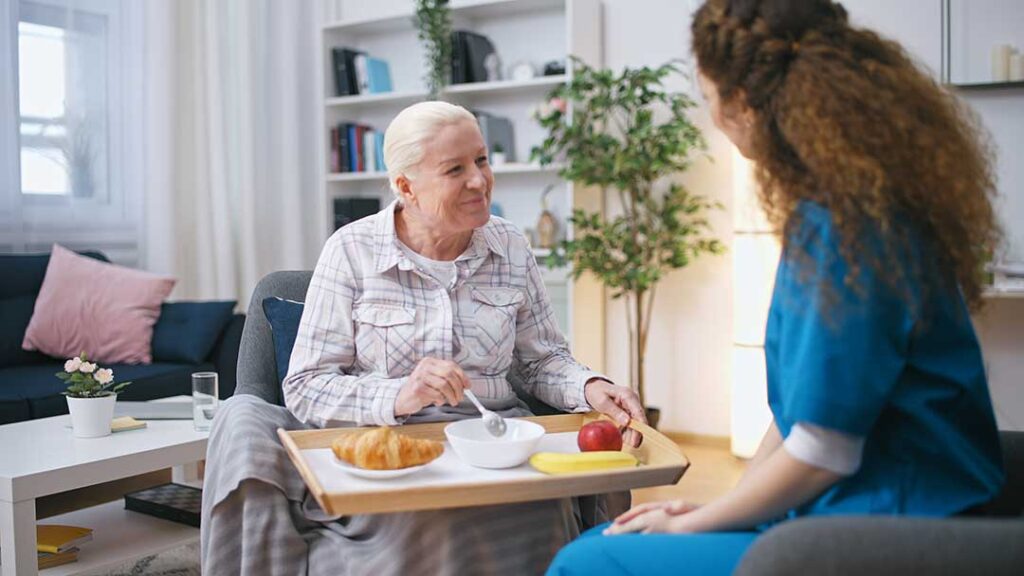
Understanding the Importance of Mental Well-Being in Older Adults
Mental well-being is a fundamental aspect of overall health, especially for seniors. As people age, they often face challenges like social isolation, the loss of loved ones, and the struggle to maintain independence. In Hazleton, Pennsylvania—a city known for its close-knit neighborhoods and scenic beauty—these challenges can impact the mental health of seniors, making supportive environments even more critical. Assisted living communities in Hazleton are uniquely positioned to help residents not just manage these hurdles but thrive mentally, emotionally, and socially.
Social Connection: A Key to Happiness
One of the primary ways assisted living fosters mental well-being is through social connection. Loneliness is a risk factor for depression and cognitive decline among the elderly. Fortunately, Hazleton’s tradition of community-oriented living, visible in its frequent festivals, faith gatherings, and recreational events, is echoed in its assisted living facilities.
- Group Activities: From arts and crafts to music nights, residents regularly participate in activities designed to nurture both creativity and camaraderie.
- Local Engagement: Assisted living providers often arrange outings to Hazleton’s local haunts, such as the Hazleton Art League or Community Park, reinforcing a sense of belonging and connection to the city.
- Peer Support: Shared meal times and communal spaces naturally lead to new friendships and mutual support, both essential for emotional health.
Structured Daily Routines for Peace of Mind
Routine can be a source of comfort, particularly for older adults who may struggle with memory or anxiety. Assisted living communities in Hazleton provide structured daily schedules that balance autonomy and support:
- Predictable Schedules: Having a predictable day nurtures a sense of stability, which is vital for those experiencing cognitive changes.
- Choice and Flexibility: Residents choose among activities and meal options, ensuring they feel in control while enjoying the consistency of community living.
Access to Mental Health Support
Mental health care is an integral part of assisted living. In Hazleton, where access to specialized medical professionals can sometimes be challenging in rural regions, assisted living communities bridge the gap:
- On-site Counseling: Licensed counselors or visiting therapists are available for one-on-one sessions.
- Partnerships with Local Providers: Close ties with nearby medical practices and Greater Hazleton Health Alliance mean residents can easily access psychiatric and psychological services.
- Staff Vigilance: Trained caregivers can recognize the warning signs of depression, anxiety, or memory impairment, ensuring timely intervention and support.
Physical Health and Its Impact on the Mind
Physical well-being is deeply interconnected with mental health, especially among seniors. Hazleton’s abundance of parks and green spaces enables assisted living communities to emphasize physical activity as part of their wellness programs:
- Exercise Classes: Group exercises—like chair yoga, tai chi, and walking groups—keep bodies moving and spirits high.
- Nutritious Meals: Balanced meal plans cater to dietary needs, supporting both brain and body health.
- Access to Outdoor Spaces: Many facilities have landscaped courtyards and gardens, drawing inspiration from Hazleton’s natural surroundings to create serene areas for relaxation and socializing.
Activities that Engage the Mind
Staying mentally stimulated is essential to preserving cognitive function. Assisted living providers in Hazleton tailor their offerings to the interests and backgrounds of their residents:
- Lifelong Learning: Book clubs, guest speakers from local organizations, and educational workshops keep residents intellectually engaged.
- Hobby Groups: Whether painting, woodworking, or gardening, finding purpose in a favorite pastime is encouraged and supported.
- Cultural Events: Connections to Hazleton’s diverse cultural heritage—whether celebrating local Italian or Latin American festivals—help personalize and enrich life in assisted living.
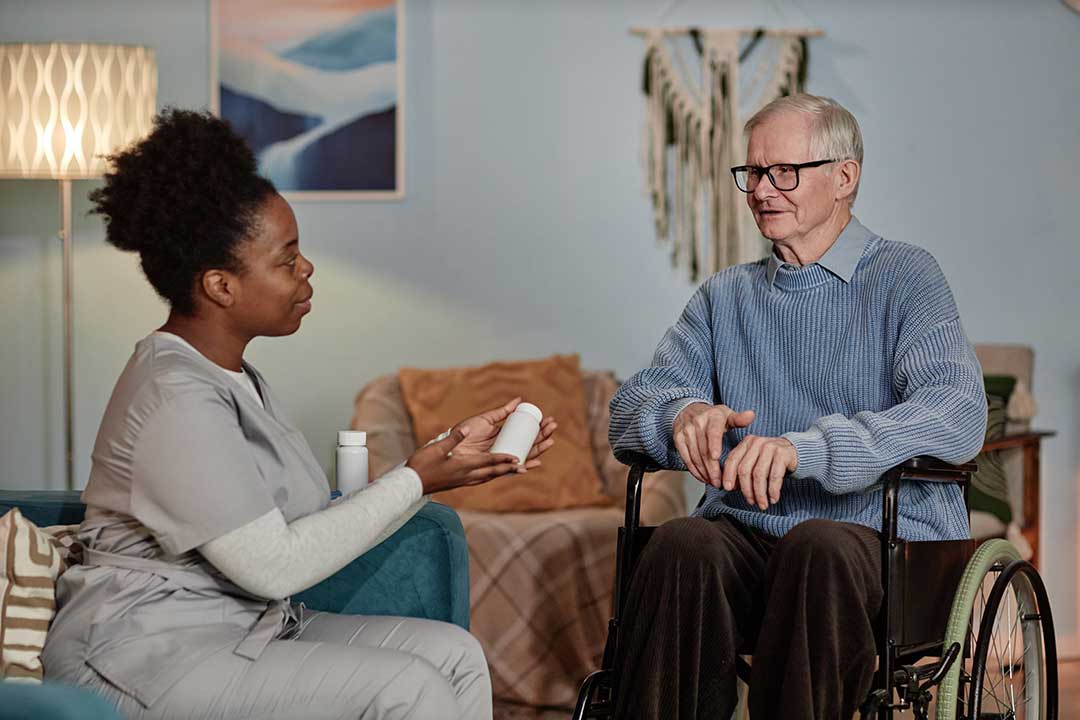
Family Involvement and Community Outreach
Maintaining ties with family and the wider Hazleton community is vital for seniors’ sense of identity and purpose. Assisted living facilities encourage and facilitate these connections:
- Open Door Family Visits: Flexible visiting policies help residents and relatives stay in close contact.
- Community Events: Residents often take part in city events or host visits from local youth groups, schools, and churches, reinforcing their role within the larger Hazleton area.
- Volunteering: Seniors are encouraged to volunteer or mentor, fostering purpose and boosting self-esteem.
Personalized Care Plans: Honoring Individuality
Mental well-being is personal; there is no one-size-fits-all approach. Assisted living in Hazleton excels in creating individualized care plans that respect each resident’s history, preferences, and goals:
- Resident Input: Staff members regularly meet with residents and families to assess changing needs and desires.
- Cultural Sensitivity: Plans take into account important religious, ethnic, or lifestyle factors unique to Hazleton’s diverse population.
The Hazleton Advantage: Peaceful Environment and Local Flair
Hazleton’s peaceful pace of life and scenic setting play a role in supporting mental health for seniors in assisted living. The gentle mountain views, local farms, and friendly neighborhoods offer a comforting backdrop that soothes anxiety and encourages a sense of home.
Choosing Assisted Living in Hazleton for Mental Well-Being
When families search for answers about the benefits of assisted living in Hazleton, Pennsylvania, they’ll find that nurturing mental well-being is woven into every aspect of care. From robust social programming to personalized health services, everything is designed to help seniors live their best, happiest lives.
If you or a loved one are considering assisted living near Hazleton, know that local facilities aren’t just meeting basic needs—they’re providing a foundation for enduring mental health and happiness.
