

Why Is Change So Challenging for Seniors?
Change, whether it's moving to a new living arrangement, adapting to new routines, or coping with changes in health, often feels especially daunting for older adults. For many residents in Hazleton, PA, the ties to familiar surroundings, lifelong friends, and established patterns make transitions more emotionally complex. This is a normal response—changes can evoke feelings of loss, uncertainty, and anxiety, particularly when they happen quickly or are prompted by necessity rather than choice.
Factors unique to the area, such as Northeast Pennsylvania’s changing seasons and the close-knit nature of many neighborhoods, can either offer comfort through a sense of community or contribute to stress when familiar supports shift. When seniors in the city face transitions—such as moving into assisted living—they may worry about missing neighbors, adjusting to winter weather, or navigating new routines without family nearby.
How Can Families Ease Transitions for Loved Ones?
Families play a critical role in smoothing transitions for older adults. First, empathy is essential. Listening to concerns without minimizing them helps seniors feel heard and respected.
- Involving older adults in decisions wherever possible helps them retain control.
- Gradually introducing new environments, such as visiting or staying overnight before a move, can reduce anxiety.
- Preserving continuity—by bringing familiar furniture, photographs, or keepsakes—eases the sense of loss.
- Explaining changes in advance helps seniors process what's ahead, instead of being surprised or overwhelmed.
Seasonal factors, such as icy winters in the city, mean timing can be key; planning moves or outings during milder weather often makes transitions less physically stressful for seniors.
What Emotional Reactions Are Common and How Can They Be Managed?
It’s common for seniors to react to major changes with sadness, anger, confusion, or withdrawal. These feelings often ebb and flow over time.
- Recognizing that grief isn’t limited to loss of life, but can be triggered by leaving a beloved home or downsizing, helps families understand emotional reactions.
- Social connection is a protective factor: Regular visits, calls, or community events keep older adults from feeling isolated, especially in the winter months when getting around can be harder.
- Encouraging routines—like favorite hobbies, religious services, or attendance at local senior programs—creates a sense of normalcy.
- Validating feelings (rather than dismissing concerns as “just aging”) strengthens trust between seniors and those around them.
If withdrawal, confusion, or sadness persist beyond several weeks or interfere with daily living, it may indicate depression or cognitive changes that deserve attention from a healthcare provider.
What Are Practical Ways Seniors in Hazleton Can Maintain Independence and Comfort?
Adjusting to change doesn’t mean losing independence. Many older adults thrive with well-planned support.
- Keeping familiar daily rituals, such as reading a local newspaper with morning coffee or phoning a friend at a set time, anchors days with predictability.
- Customizing new living spaces with treasured possessions makes even smaller or shared spaces feel personal.
- Staying connected to faith communities, civic groups, or clubs, either in person or virtually, nurtures a sense of belonging.
- Using area resources, such as transportation services available in the city, enables continued participation in outings or errands.
- Dressing in familiar clothing, using favorite personal care products, or preparing favorite meals helps comfort persist through change.
Families often find that inviting neighbors or friends to visit the new setting helps keep existing relationships alive, even after a move.
How Can Seniors Stay Connected When Their Social Circles Change?
Change sometimes means that long-time friends or neighbors aren’t as close by. Social isolation can be a risk, but taking proactive steps helps maintain connection.
- Many area community centers and libraries offer low-cost or free classes, card games, or discussion groups that welcome newcomers.
- Local religious and civic organizations often provide rides to events, especially during snowy months, making it easier for seniors to engage.
- Technology can supplement in-person visits: Simple video calls or photo sharing help loved ones stay close, even from a distance.
- Reaching out to neighbors in the new setting, such as participating in a shared meal or group activity, can establish a sense of community.
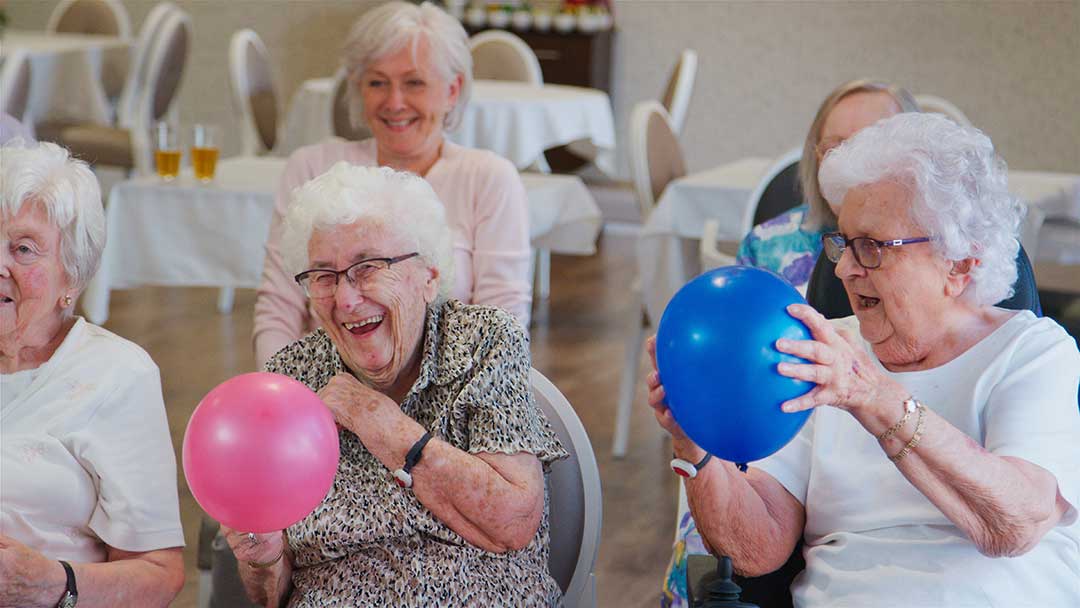
It’s natural for forming new friendships to take time; patience and encouragement from family or existing friends make the process feel less intimidating.
What Are Common Misconceptions About Seniors and Coping With Change?
A frequent misconception is that older adults are “set in their ways” and cannot adapt. In truth, many local seniors have weathered significant life changes—careers, raising families, wartime migrations, and shifts in the region’s industries.
- Seniors often possess considerable resilience, drawing on life experience to manage transitions with grace.
- Assuming all resistance to change is stubbornness overlooks valid feelings of loss and worry.
- Skipping detailed explanations, or making decisions without input, can erode trust and independence.
- Adapting takes time; pressure to “bounce back” can be counterproductive.
Recognizing the wisdom and resourcefulness of older adults—in addition to their need for support—helps the broader community foster a more understanding, aging-friendly environment.
What Local Factors Can Influence How Seniors Experience Change?
Life in Hazleton offers both challenges and strengths when navigating transitions. Many homes have stairs, which can complicate moves for seniors with mobility concerns. Winter can bring isolation due to slippery sidewalks, while the strong sense of neighborhood often provides a network of helping hands.
- Seasonal events, such as local fairs or cultural celebrations, provide natural opportunities to forge connections in a new setting.
- The mix of longstanding and newer residents makes openness to change a shared experience within the community.
- Access to parks, trails, and places of worship can encourage outdoor activity or spiritual support during periods of adjustment.
Understanding the unique rhythm and resources of the city helps residents and families find smoother paths through major changes—turning stressful transitions into manageable, even meaningful, new chapters.
