
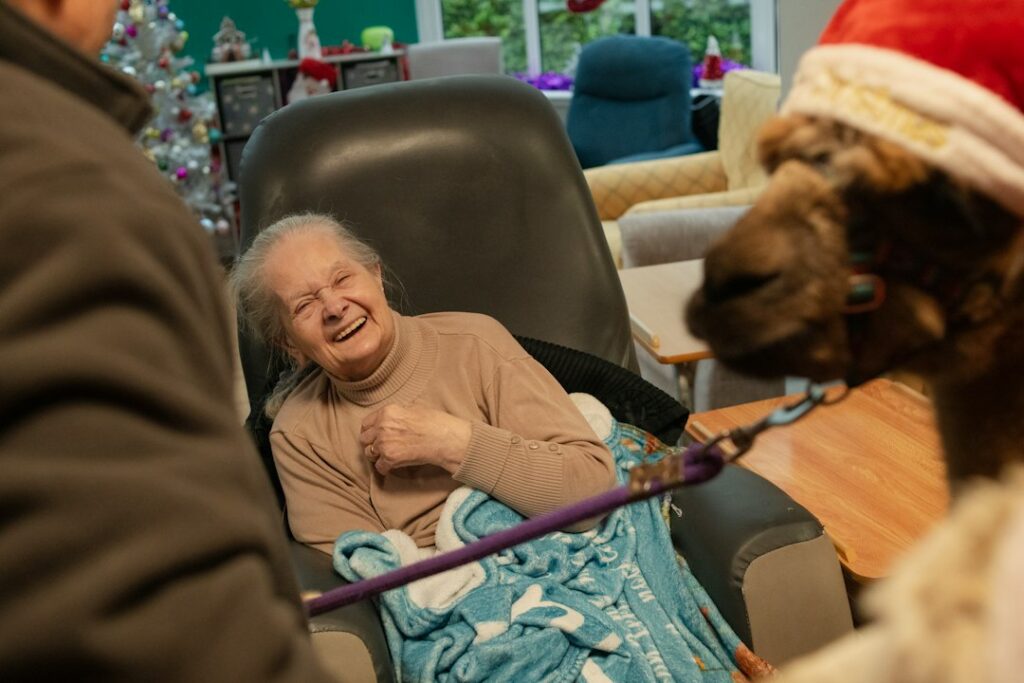
Holiday celebrations in assisted living can remain meaningful, familiar, and enjoyable even when routines, health needs, or family arrangements have changed. The most successful celebrations usually focus on comfort, personal choice, familiar traditions, and opportunities for connection rather than large events or elaborate decorations.
How can residents celebrate holidays in assisted living?
Residents can celebrate through shared meals, music, decorations, religious observances, crafts, family visits, storytelling, and small personal traditions. A holiday does not need to look exactly as it did in the past to feel meaningful.
Some residents may enjoy a lively gathering, while others may prefer a quiet visit, a favorite dessert, or an afternoon listening to seasonal music. Activities should reflect individual interests, cultural backgrounds, faith practices, mobility levels, and energy.
Common options include:
- Decorating a personal room or shared space
- Attending a holiday meal or special program
- Watching familiar seasonal movies
- Making cards or simple crafts
- Listening to music from a resident’s younger years
- Sharing family recipes or stories
- Participating in religious services or prayer
- Calling relatives by phone or video
- Displaying photographs and meaningful keepsakes
The resident’s preferences should guide the celebration. Participation should be invited, not assumed.
What holiday traditions can continue after moving to assisted living?
Many traditions can be adapted rather than abandoned. A large family meal may become a smaller gathering at a comfortable table. Baking may become decorating prepared cookies. Visiting several households may become one longer, quieter visit in a familiar setting.
Residents and families can preserve traditions by identifying the part that matters most. For example:
- A favorite holiday recipe may be prepared in a smaller portion.
- Annual family photographs may be taken in the resident’s room.
- A traditional song may be played during a visit.
- A religious reading may be shared privately or in a group.
- A handmade decoration may be placed where the resident can see it easily.
- A yearly phone call may be scheduled at the same time as in previous years.
This approach is especially helpful for residents living with memory loss. Familiar sounds, scents, photographs, and repeated routines may provide comfort even when a person cannot explain the tradition or remember the date.
How should families plan a holiday visit?
Families should plan around the resident’s usual schedule, energy level, and care needs. A shorter visit at the right time of day is often more enjoyable than a long gathering that causes fatigue.
Before visiting, families may want to consider:
- Whether the resident is most alert in the morning, afternoon, or evening
- How many visitors can be comfortably accommodated
- Whether children or pets may become overwhelming
- Whether the resident needs quiet breaks
- Whether food, gifts, or decorations could create safety concerns
- Whether the resident follows dietary restrictions
- Whether illness precautions or visitation rules apply
Winter weather in Hazleton can make travel difficult, particularly during periods of snow, ice, or freezing temperatures. Families should allow extra travel time and have a backup plan if conditions become unsafe. A phone call, video conversation, recorded message, or mailed card can still provide connection when an in-person visit is not practical.
What decorations are safe in assisted living?
Safe decorations should be lightweight, stable, easy to see, and placed away from walking paths. Decorations should not block exits, cover handrails, interfere with mobility equipment, or create loose cords.
Generally safer choices may include:
- Battery-operated lights approved for indoor use
- Paper or fabric decorations secured flat against a wall
- Unbreakable ornaments
- Artificial greenery that does not shed
- Flameless candles
- Small tabletop displays with a stable base
- Photographs, greeting cards, and seasonal artwork
Open flames, unattended candles, overloaded outlets, and small objects that could be swallowed may create unnecessary risks. Strong fragrances may also bother residents with asthma, allergies, headaches, or increased sensitivity.
Residents who use walkers, wheelchairs, oxygen equipment, or other mobility supports need clear routes throughout the room and common areas. A decoration that looks attractive but narrows a pathway can increase the risk of a fall.
How can holidays be adapted for residents with memory loss?
Residents with memory loss often benefit from simple, familiar, and predictable activities. Large crowds, loud music, flashing lights, and a rapidly changing schedule may cause confusion or distress.
Helpful adaptations include:

- Keeping gatherings small
- Using familiar music at a moderate volume
- Offering one activity at a time
- Showing labeled family photographs
- Using simple decorations rather than crowded displays
- Maintaining regular meal and rest times
- Giving the resident a quiet place to sit
- Avoiding quizzes that test memory
- Redirecting gently if the resident becomes confused
A person may not remember who brought a gift or what holiday is being celebrated, but the person may still enjoy the warmth of a visit, the taste of a favorite food, or the sound of a familiar song. Emotional comfort matters even when specific memories are limited.
How can residents celebrate religious and cultural holidays?
Residents should be able to observe holidays according to their beliefs, customs, and personal comfort. This may involve worship, prayer, fasting, special foods, religious music, cultural clothing, storytelling, or private reflection.
Families can help by sharing clear information about meaningful practices and any dietary or scheduling needs. Staff members may also need to know whether a resident wants to attend a service, receive a visit from a faith leader, or keep certain observances private.
Cultural traditions may include foods, greetings, decorations, songs, or family rituals. These details can help a resident feel recognized as a whole person rather than defined only by care needs.
What if a resident feels sad or does not want to celebrate?
Not every resident will feel cheerful during the holidays. Some may be grieving, lonely, physically uncomfortable, or reminded of relatives who have died. Others may dislike holiday noise or feel pressured by expectations.
The resident’s choice should be respected. A quiet conversation, familiar television program, favorite meal, or private visit may be more appropriate than a group event. Families should avoid insisting that a resident appear happy or participate in every activity.
Warning signs such as persistent withdrawal, major changes in sleep or appetite, unusual agitation, or ongoing sadness should be shared with the resident’s care team. These changes may reflect more than ordinary holiday disappointment and may need attention.
How can gifts be chosen thoughtfully?
Useful gifts are often familiar, practical, and easy to use. Comfort, personal identity, and safety matter more than price.
Appropriate ideas may include:
- Soft clothing with simple fasteners
- Family photographs or a labeled photo album
- Large-print books or magazines
- Favorite music
- Non-slip socks
- A washable lap blanket
- Simple puzzles or activity materials
- Unscented personal-care items
- A calendar with family photographs
- A handwritten letter or recorded greeting
Families should check whether an item could create a choking, fall, allergy, or storage concern. Gifts that require complicated technology may be frustrating unless someone is available to help.
Holiday celebrations in assisted living are most meaningful when they preserve a resident’s identity, provide genuine choice, and make room for both joy and difficult emotions. A familiar song, a shared story, a safe decoration, or a peaceful visit can carry as much meaning as a large event.
